Understanding CNC Machining Parts: An Overview
CNC machining, or Computer Numerical Control machining, is a manufacturing process that allows for the precise creation of complex parts and components through the automation of machine tools. Utilizing computer-aided design (CAD) software, manufacturers can produce a variety of components with precision that is often unattainable through manual machining. This technology has revolutionized various industries, enabling the production of highly intricate parts that meet specific tolerances and specifications. When exploring options, cnc machining parts serve as a cornerstone for many engineering applications, ensuring high-quality outputs and efficient production cycles.
What Are CNC Machining Parts?
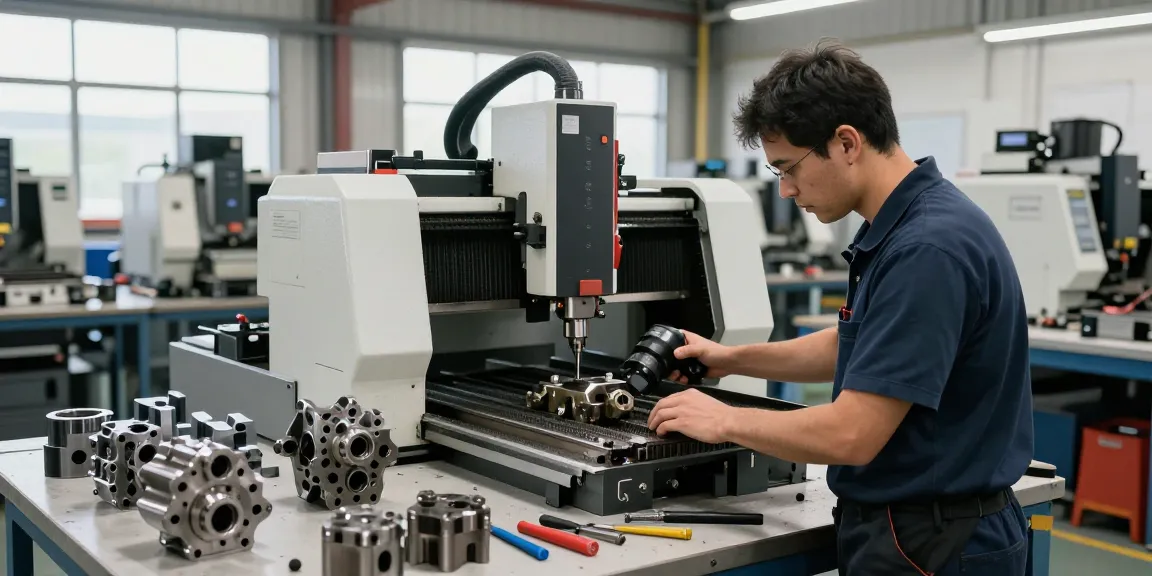
CNC machining parts encompass a range of components produced using CNC technology. These parts can vary widely in size, shape, and function. Common examples include brackets, housings, shafts, pins, and custom-designed industrial components. The precision and repeatability of CNC machining make it ideal for both prototype development and large-scale production runs. Each part is typically made from materials like metals, plastics, or composites, which are selected based on the specific use case and required properties.
Key Benefits of CNC Machining
- Precision: CNC machining offers exceptional accuracy, allowing for the creation of intricate designs and complex geometries that are difficult to achieve with manual machining methods.
- Consistency: Automated processes ensure that each part produced is identical, significantly reducing variability and errors.
- Flexibility: CNC machines can be quickly reprogrammed to produce different parts, making them highly adaptable to changing production needs.
- Material Efficiency: CNC machining minimizes waste by precisely cutting materials to the desired dimensions, optimizing resource utilization.
- Speed: The automation of processes reduces production time, allowing manufacturers to meet tight deadlines and increased market demand.
Common Applications of CNC Machined Components
The versatility of CNC machining has led to its widespread adoption across various industries. Some common applications include:
- Aerospace: CNC machining is used to create critical components such as brackets, engine parts, and frames that must meet stringent safety and performance standards.
- Automotive: From engine parts to custom interiors, CNC machined components play a vital role in the manufacturing of vehicles.
- Medical Devices: The medical industry relies on CNC machining for the production of surgical instruments, implants, and diagnostic equipment, where precision is crucial.
- Electronics: CNC machining is used to manufacture enclosures, connectors, and other electronic components that require tight tolerances.
Choosing the Right Materials for CNC Machining Parts
Metal vs. Plastic: Material Selection Criteria
Selecting the appropriate material for CNC machining parts is critical to achieving the desired performance and functionality. Metal and plastic are the two primary categories used in CNC machining, each offering unique properties. Metals, like aluminum and stainless steel, provide strength, durability, and resistance to wear and heat. Plastics, such as ABS or nylon, offer lighter weight and resistance to corrosion. The choice of material depends on factors such as the part's intended use, required mechanical properties, and environmental considerations.
Impact of Material Properties on Machining Processes
The physical and chemical properties of materials significantly influence the CNC machining process, affecting machining speeds, tooling choices, and surface finishes. For instance, harder materials may require specialized tools and lower feed rates to prevent tool wear, while softer materials can be machined at higher speeds. Understanding how material properties interact with the machining process helps manufacturers optimize production efficiency and quality.
Sustainable Material Options in CNC Machining
With growing emphasis on sustainability, manufacturers are increasingly exploring eco-friendly materials for CNC machining. Biodegradable plastics, recycled metals, and materials sourced from sustainable practices are becoming more widely used. Integrating sustainable materials not only helps reduce environmental impact but can also enhance a company's brand image and appeal to eco-conscious consumers.
Essential Techniques for Improving CNC Machining Efficiency
Utilizing Advanced CNC Technology and Software
Implementing advanced CNC technology, including high-speed machining and multi-axis milling, can significantly enhance production capabilities. Additionally, leveraging software tools for simulation and optimization helps manufacturers identify inefficiencies and reduce cycle times. Integrating smart technology, such as IoT devices, allows for real-time monitoring and adjustments, ensuring optimal performance and reducing downtime.
Best Practices for Tool Selection and Maintenance
The choice of tools in CNC machining can drastically affect the quality of the finished product. Selecting the right tool based on material and machining task is essential. Regular maintenance of tools is equally important to ensure longevity and optimal performance. Implementing a predictive maintenance program can further reduce unexpected breakdowns, enhance productivity, and lower operational costs.
Optimizing Machining Strategies for Production Speed
Optimizing machining strategies, such as adapting cutting speeds and feeds to material characteristics, is crucial for improving production speed. Techniques like minimizing tool changes, organizing production runs, and utilizing batch processing can streamline operations and reduce lead times, allowing manufacturers to respond rapidly to market demands.
Common Challenges in CNC Machining Parts Production
Addressing Tolerances and Specifications Issues
Maintaining close tolerances is one of the most challenging aspects of CNC machining. Deviations from specifications can lead to costly rework and scrap. Employing advanced measuring technologies, such as laser scanning and coordinate measuring machines (CMM), helps ensure parts meet precise specifications while identifying potential issues early in the production process.
Managing Costs and Resources Effectively
Cost management remains a constant challenge in the CNC machining industry. Factors such as fluctuating raw material prices and labor costs can impact profitability. Manufacturers can mitigate costs by implementing lean manufacturing principles, optimizing workflows, and analyzing data for informed decision-making. Utilizing software for cost estimation also aids in effective budgeting and resource allocation.
Mitigating Surface Finish Problems
Achieving the desired surface finish is crucial, as it affects both aesthetics and functionality. Issues like rough surfaces or burrs can result from incorrect machining parameters or tool wear. Establishing standardized procedures for surface finish requirements, as well as regular tooling inspections, can greatly enhance the final product quality and reduce the need for secondary operations.
Future Trends in CNC Machining Parts for 2026 and Beyond
Integration of Automation and Smart Technology
As Industry 4.0 continues to shape manufacturing, the integration of automation and smart technologies in CNC machining is on the rise. Automated systems will streamline workflows, reduce manual intervention, and enhance data collection for improved decision-making. Advanced analytics and artificial intelligence will further predict maintenance needs and optimize machining operations.
The Rise of Additive Manufacturing Synergy
Combining CNC machining with additive manufacturing is emerging as a powerful trend, allowing manufacturers to produce complex geometries that were previously impossible or too costly to create. This synergy enables rapid prototyping and high-volume production while minimizing material waste. The integration of both techniques will redefine manufacturing capabilities and expand design possibilities.
Predictions for Market Demand and Technological Advancements
Looking ahead, the demand for CNC machining parts is expected to grow across various sectors, driven by technological advancements and increased reliance on precision engineering. Manufacturers that adopt innovative technologies and stay ahead of industry trends will be well-positioned to capitalize on emerging opportunities. The evolution of materials and machining techniques will further enhance the scope and applications of CNC machining.
What are common examples of CNC machined parts?
Common examples include brackets, housings, shafts, bushings, pins, and cut components for machinery. Each can be tailored to specific industrial applications, highlighting the flexibility of CNC machining.
How does CNC machining differ from traditional machining?
CNC machining relies on computer automation for control, providing higher precision and repeatability compared to traditional machining, which often requires manual adjustments and can be subject to greater human error.
What industries benefit most from CNC machined parts?
Industries such as aerospace, automotive, medical, and electronics benefit significantly from CNC machined parts due to their need for high precision and rapid production capabilities.
How to choose a reliable CNC machining service?
Choosing a reliable CNC machining service involves evaluating factors like their experience, technology capabilities, quality assurance processes, and customer reviews. It's essential to partner with a service provider that understands your specific requirements and adheres to industry standards.
What future innovations are anticipated in CNC machining parts?
Future innovations may include increased use of artificial intelligence for process optimization, advancements in material science leading to stronger and lighter materials, and further integration of automation to enhance efficiency and scalability in production.