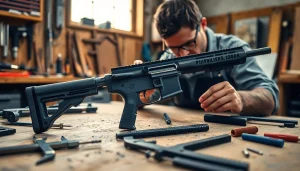
Understanding Forced Reset Triggers
What is a Forced Reset Trigger?
A forced reset trigger (FRT) is a specialized firearm mechanism designed to enhance the firing speed of semi-automatic rifles by resetting the trigger automatically after each discharge. Unlike traditional triggers, which require the shooter to release the trigger fully before the next shot can be fired, a forced reset trigger allows multiple shots to be fired in rapid succession with minimal trigger finger movement. This technology draws significant interest from competitive shooters, enthusiasts, and those looking to enhance their firearm’s performance. The forced reset trigger for sale represents a pivotal advancement in firearms technology, opening new avenues for versatility in shooting styles.
Benefits of Using Forced Reset Triggers
The adoption of forced reset triggers offers numerous benefits to firearm users, enhancing shooting efficiency and accuracy.
- Increased Rate of Fire: By enabling faster consecutive shots, shooters can maintain a more vigorous shooting pace without the pain of fatigue.
- Improved Control: The design of forced reset triggers often improves overall firearm control, allowing for greater accuracy during rapid fire.
- Competitive Advantage: In competitive shooting environments, FRTs can offer a crucial edge, making the difference between winning and losing.
- Customization Potential: Many forced reset trigger designs allow for aftermarket modifications, giving users the flexibility to tailor their firearms to specific needs and preferences.
Common Applications in Firearms
Forced reset triggers find applications primarily in semi-automatic rifles and are particularly popular in firearms used for competitive shooting, recreational shooting, and tactical training. They are advantageous in situations requiring rapid target engagement, such as three-gun competitions, tactical training scenarios, and dynamic shooting events. Additionally, they are appreciated in various sporting environments where precision timing is essential for scoring.
Choosing the Right Forced Reset Trigger for Sale
Factors to Consider When Selecting
Choosing the appropriate forced reset trigger for your firearm involves considering several critical factors:
- Compatibility: Ensure that the FRT is designed for your specific firearm model and caliber to guarantee optimum performance.
- Trigger Pull Weight: A lighter trigger pull weight can improve firing speed but may impact overall control. Balance is essential.
- Material Quality: High-quality materials offer durability and longevity, which are imperative for intensive use.
- Adjustment Options: Flexibility in adjusting attributes such as reset speed and travel distance can enhance usability.
Comparing Different Models
With an array of forced reset triggers available, comparing models is essential to find the ideal fit. Look for user reviews, expert analyses, and detailed specifications to gauge performance differences. Testing various models where possible can provide first-hand experience of the unique features that each design offers.
Cost vs. Quality Considerations
Many users face the dilemma of balancing cost and quality when selecting a forced reset trigger. While budget options exist, investing in a high-quality FRT often leads to better reliability and performance. Consider the warranty, return policies, and the reputation of the manufacturer before making a purchase. It’s often worth paying slightly more for a product that will perform consistently over time.
Installation Guide for Forced Reset Triggers
Basic Tools Required
Installing a forced reset trigger requires several basic tools:
- Flathead and Phillips screwdrivers
- Tape measure or calipers for precision measurements
- Gun cleaning kit
- Work surface with a soft mat to protect your firearm
- Allen wrench set for possible adjustments
Step-by-Step Installation Process
- Ensure Safety: Verify that the firearm is unloaded and that the work area is clear of distractions.
- Remove the Upper Receiver: Separate the upper receiver from the lower receiver as per your firearm’s specifications.
- Take Out the Old Trigger: Remove any pins securing the original trigger assembly and gently slide it out.
- Install the New Trigger: Align the new forced reset trigger with the existing assembly and secure it in place with appropriate pins.
- Reattach the Upper Receiver: Once the installation is complete, reattach the upper receiver securely.
- Function Test: Perform a function check to ensure the trigger resets properly and fires correctly.
Safety Precautions to Observe
Safety should always be your top priority during installation. Always wear safety goggles to protect your eyes from potential debris during the installation process, and ensure that the firearm is safely stored and handled to prevent accidental discharges.
Best Practices for Maintenance and Care
Regular Cleaning Habits
To maintain optimal performance, establish a cleaning routine. Clean your forced reset trigger regularly to prevent build-up of debris and residues. Use a gentle solvent designed for gun cleaning, and pay special attention to the mechanisms that can accumulate dirt.
Identifying Signs of Wear
Watch for early signs of wear in your forced reset trigger, such as sticking or sluggish operation. Continued performance issues may indicate the need for repair or replacement. Additionally, ringing sound upon trigger pull and irregular reset occurrences might be indicators of mechanical fatigue.
Tips for Long-Term Performance
To ensure the long-term reliability of your FRT, follow these tips:
- Keep your firearm dry to prevent moisture-related corrosion.
- Apply lubricant sparingly on the trigger and internal mechanisms to ensure smooth movement without attracting excessive dirt.
- Store your firearm in a controlled environment to minimize significant temperature and humidity changes.
FAQs About Forced Reset Triggers
What is the difference between a standard and forced reset trigger?
A standard trigger requires full release before the next shot, while a forced reset trigger resets automatically after each shot, allowing faster firing.
Can forced reset triggers be used in all firearms?
Forced reset triggers are typically designed for specific firearm models. Ensure compatibility with your firearm type before purchase.
Are there legal restrictions on purchasing forced reset triggers?
Legal restrictions vary by location. Always consult local laws regarding firearm modifications and the legality of forced reset triggers.
How do I ensure proper installation of a forced reset trigger?
Follow a detailed installation guide carefully, double-check the security of all components, and conduct thorough function tests post-installation.
What maintenance do forced reset triggers require?
Regular cleaning, lubrication, and inspection for wear and mechanical issues are key to maintaining optimal performance of forced reset triggers.