Behind the Scenes of Subway Arrivals: How Real-Time Tracking Works in 2026
Understanding Subway Arrivals: The Technology Behind Real-Time Tracking
In today’s fast-paced urban environment, commuters rely heavily on accurate and timely information regarding subway arrivals to navigate their daily routines. The complexities of urban transit systems necessitate robust technologies that provide real-time updates to travelers. Subway arrivals tracking has become a vital component in improving the commute experience, helping users make informed decisions based on real-time data. This article delves into the technology that supports this functionality, particularly focusing on the GTFS-Realtime standard.
What is GTFS-Realtime?
The General Transit Feed Specification (GTFS) is a data format developed to facilitate sharing transit information. GTFS-Realtime (GTFS-RT) extends this capability by allowing transit agencies to provide real-time updates on service changes, arriving vehicles, and trip updates. Essentially, GTFS-RT enables agencies to communicate dynamic changes in the transit environment, such as delays or service disruptions, to users instantly. The implementation of GTFS-RT translates complex data into accessible formats for end-users, thereby enhancing the overall commuter experience.
How Subway Today Integrates Live Data
Subway Today harnesses the power of GTFS-Realtime to pull live data directly from transit agencies. This process occurs every 30 seconds, ensuring that commuters receive the most up-to-date information available. By decoding trip updates, vehicle positions, and service alerts, Subway Today creates direction-aware arrival boards tailored for each supported station. This integration is crucial as it eliminates the gap between static schedules and real-time operational changes, offering users a reliable navigation tool.
The Role of Static Schedule Data in Transit
While real-time data is critical, static schedule data still plays an essential role in transit systems. Subway Today uses GTFS files that are updated daily to reflect scheduled arrivals, which is especially important for ensuring accuracy during periods when an agency’s real-time feed may be temporarily unavailable. Combining static schedules with real-time updates provides a comprehensive view of transit operations, significantly enhancing the user experience for everyday commuters.
The Importance of Timely Subway Arrivals for Commuters
Timely subway arrivals are not just a convenience; they are essential for commuters who rely on public transportation to reach their destinations punctually. Understanding the importance of reliability in transit systems helps shape how agencies implement and maintain their services.
Impact on Daily Commute Experience
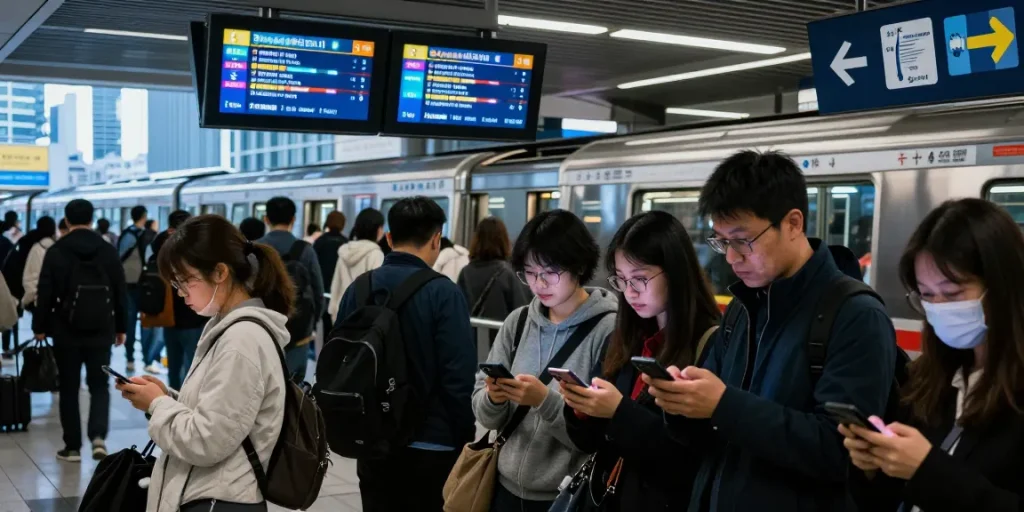
For many, the subway is the lifeblood of their commuting routine. Delays or unpredictable service can lead to missed appointments, late arrivals at work, and increased stress levels. Therefore, accurate and timely information about subway arrivals is crucial. When commuters know exactly when to expect their train, they can plan their departure more effectively, leading to a smoother and less stressful daily commute.
Enhancing Accessibility for All Users
Real-time tracking of subway arrivals plays a significant role in improving accessibility for all users, including those with disabilities or special needs. By providing live updates, transit agencies can ensure that all users, regardless of their mobility level, can anticipate train arrivals and plan their journeys accordingly. This enhanced accessibility fosters inclusivity within urban transit systems, allowing everyone to utilize public transportation without facing undue challenges.
Reducing Congestion and Improving Efficiency
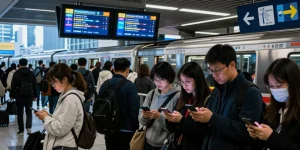
Timely subway arrivals directly correlate with reduced congestion at stations. When commuters receive accurate real-time data, they can avoid the rush of overcrowded platforms and make informed decisions about when to arrive at the station. Moreover, efficient arrivals create a more pleasant travel environment, reducing wait times and improving overall service efficiency. In turn, this encourages more people to opt for public transit, contributing to a more sustainable urban transportation ecosystem.
Common Challenges with Real-Time Subway Arrivals
While the advantages of real-time tracking are numerous, several challenges persist in maintaining accuracy and effectiveness. Addressing these challenges is vital for improving the overall reliability of subway systems.
Data Collection and Accuracy Issues
The accuracy of real-time information hinges on the quality of data collection. If a transit agency’s data feeds are outdated or incorrect, it can lead to misinformation being provided to commuters. Agencies need robust systems in place to ensure that the data being transmitted is reliable. Continuous monitoring and frequent updates are essential to maintain data integrity and accuracy.
Technical Obstacles in Integration
Integrating real-time data systems can be a complex and resource-intensive process. Many agencies may face technical challenges when attempting to implement GTFS-Realtime standards, particularly if they lack the necessary infrastructure or technical expertise. Addressing these obstacles often requires significant investment in technology and training to ensure smooth operation and data exchange.
Passenger Confusion During Service Alerts
Service alerts can sometimes lead to confusion among passengers, particularly if communications are unclear or inconsistent. In situations where real-time updates indicate a delay or service interruption, it is crucial for agencies to promptly relay clear information to passengers. Failure to do so can result in frustration and may diminish trust in the reliability of public transit systems.
Best Practices for Effective Subway Tracking
To enhance the effectiveness of subway tracking systems, transit agencies can implement a series of best practices that improve service quality and user experience.
Utilizing User Feedback to Improve Services
Collecting and analyzing user feedback is one of the best ways to ensure the effectiveness of real-time tracking systems. Commuters can provide valuable insights into their experiences, highlighting areas that need improvement. By actively engaging with users, agencies can make informed decisions about enhancements and updates to their services.
Implementing Innovative Tracking Solutions
Continuous innovation in technology is key to improving subway arrival tracking systems. Agencies should explore new technologies, such as mobile apps and automated announcements, that can provide real-time updates and personalized information to users. These innovations can improve accessibility and empower users by keeping them informed of service changes as they happen.
Case Studies of Successful Transit Agencies
Examining successful case studies of transit agencies that have effectively implemented real-time tracking can provide valuable lessons for others. For instance, cities that have embraced GTFS-Realtime have been able to significantly improve their service quality and user satisfaction, demonstrating the potential for success when agencies prioritize accurate and timely information.
The Future of Subway Arrivals: Trends to Watch for in 2026
As we look toward the future, several trends are poised to shape the landscape of subway arrivals and tracking systems. Keeping abreast of these developments is vital for agencies and commuters alike.
Emerging Technologies in Transit Systems
The continuous advancement of technology will further enhance the capabilities of transit systems. Innovations such as artificial intelligence and machine learning could provide deeper insights into commuter behavior, allowing agencies to optimize service delivery based on real-time demand. The integration of such technologies promises to revolutionize how subway arrivals are tracked and managed.
Shift Towards Eco-Friendly Transportation Options
With growing concerns about climate change, transit agencies are increasingly focusing on eco-friendly transportation solutions. This shift may lead to the adoption of more sustainable practices within subway systems, including energy-efficient trains and electrified infrastructure. The incorporation of green technologies will not only improve the environmental impact of transit systems but also appeal to environmentally conscious commuters.
Predictions for Enhanced User Interfaces
As user experience becomes paramount, we can expect to see enhanced user interfaces that make it easier for commuters to access real-time data about subway arrivals. Improved mobile applications, interactive displays at stations, and personalized notifications will contribute to a more engaging and informative experience for users. These advancements will help streamline the journey from point A to B, placing the commuter experience at the forefront.
What is GTFS-Realtime and How Does It Work?
GTFS-Realtime provides crucial data regarding the operational status of transit services, allowing agencies to communicate real-time updates effectively. By standardizing how transit information is shared, GTFS-RT facilitates the seamless integration of data across various platforms, ultimately benefiting commuters who are looking for timely information.
How Can Technology Improve Subway Experiences?
Advancements in technology, such as machine learning algorithms and predictive analytics, can significantly enhance subway experiences by anticipating delays and optimizing service routes based on real-time demand. When integrated effectively, these technologies can lead to more reliable transportation networks, reducing wait times and improving overall service efficiency.
What Innovations Can Commuters Expect in 2026?
In 2026, commuters can look forward to innovations that enhance the subway experience, such as AI-driven scheduling systems, personalized travel recommendations based on preferences, and connected transport networks that provide users with comprehensive travel solutions. These improvements will not only refine the journey through seamless transitions between modes of transportation but also enhance user satisfaction.
How Do Real-Time Arrivals Minimize Wait Times?
Real-time arrivals are instrumental in minimizing wait times, as commuters can adjust their schedules based on accurate, dynamic information. This means less time spent waiting at stations and a more efficient overall transit experience, which is vital for busy urban environments where time is of the essence.
What Steps Can Agencies Take for Better Accuracy?
Transit agencies can take several steps to ensure better accuracy in their real-time data feeds. Regular audits of data integrity, investment in technology upgrades, and ongoing training for staff involved in data management can significantly improve the reliability of subway arrivals. By establishing best practices in data handling, agencies can enhance public trust and overall service quality.