The Dynamics and Impacts of Wildfire Events
Understanding Wildfire Events
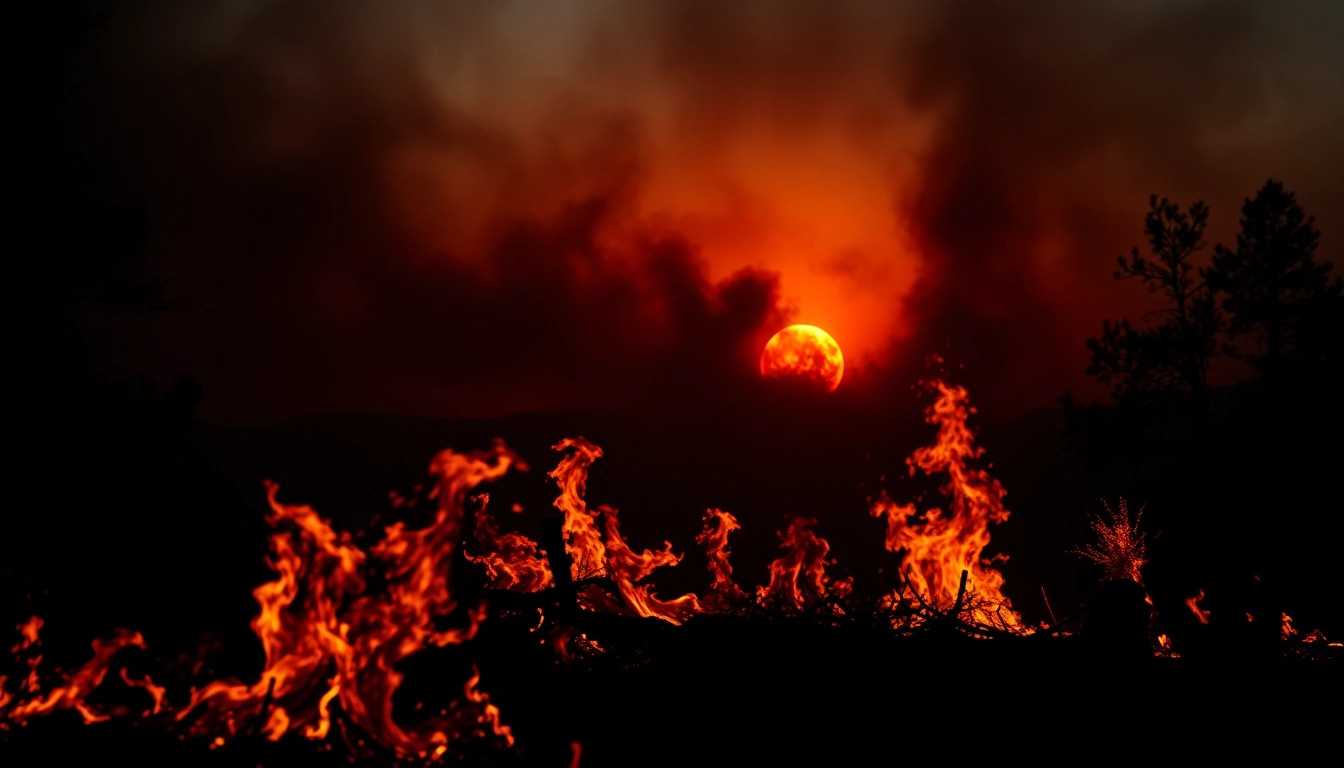
Wildfire events are complex phenomena that pose significant threats to people, ecosystems, and economies. As climate change intensifies, understanding these events has never been more crucial. In this article, we explore all aspects of wildfire events, from their categorization to their impact and the strategies we can employ to prevent and respond effectively. We delve into Wildfire events and their far-reaching implications on our lives.
What Constitutes a Wildfire Event?
A wildfire event is categorized as any uncontrolled blaze that occurs in the wild, primarily affecting areas that have not been developed for human use. This can include forests, grasslands, and shrublands. Various factors contribute to wildfires, but they are typically sparked by natural means, such as lightning, or by human activity, including campfire negligence, arson, or discarded cigarettes.
Types of Wildfire Events
Wildfire events can be classified into several types based on their behavior and conditions:
- Ground Fires: These fires burn beneath the ground surface, primarily in peat or compost soils, often requiring extensive remediation.
- Surface Fires: More common than ground fires, surface fires burn through the organic layer of the forest floor yet are typically less severe than crown fires.
- Crown Fires: These fires move rapidly through the tree canopy, fueled by high winds and dense vegetation, and can leap across large distances.
- Wildfire Storms: A relatively new phenomenon, these events combine multiple fires into massive fire storms, often resulting from extreme weather conditions.
Key Causes of Wildfire Events
Understanding the causal factors of wildfire events is essential for mitigation strategies. Major causes include:
- Natural Causes: Lightning strikes account for a substantial percentage of wildfires, particularly in dry regions.
- Human Activity: Negligence in outdoor activities such as campfires, unextinguished cigarettes, and even vehicular incidents near dry vegetation can trigger fires.
- Climate Change: Increasing temperatures, prolonged droughts, and erratic weather patterns are causing conditions that facilitate the ignition and spread of wildfires.
Impacts of Wildfire Events
The implications of wildfire events extend beyond the immediate area of the blaze, impacting environmental, health, and economic sectors.
Environmental Consequences
Wildfire events can lead to devastating environmental consequences, including:
- Loss of Biodiversity: Fires can devastate local flora and fauna, sometimes erasing entire ecosystems and leading to a loss of species.
- Soil Erosion: The removal of vegetation exposes soil to erosion, leading to increased sediment in waterways and degradation of land quality.
- Air and Water Pollution: Smoke from wildfires releases harmful pollutants into the atmosphere, while runoff can contaminate water supplies with toxic substances.
Health Effects on Communities
The health of communities affected by wildfire events is often compromised:
- Respiratory Issues: Smoke can exacerbate chronic conditions such as asthma and lead to acute respiratory incidents.
- Mental Health Effects: The stress and trauma related to property loss and evacuations can lead to long-term psychological effects on individuals and families.
- Increased Hospital Admissions: Regions affected by wildfires frequently see spikes in hospital admissions due to smoke-related health issues.
Economic Impacts of Wildfire Events
The economic impact of wildfire events can be profound and multifaceted:
- Property Damage: The destruction of homes, businesses, and infrastructure leads to substantial economic losses, requiring years of recovery.
- Insurance Claims: Massive claims can threaten insurance companies, ultimately affecting premiums and coverage options for policyholders.
- Tourism Decline: Areas impacted by wildfires may experience decreased tourism, affecting local businesses and jobs.
Prevention Strategies for Wildfire Events
While wildfire events can be devastating, proactive measures can significantly reduce their likelihood and impact:
Community Preparedness
Community preparedness is key to mitigating the effects of wildfire events. Strategies include:
- Education and Awareness: Local governments should conduct awareness campaigns about fire safety and prevention best practices.
- Community Fire Breaks: Creating defensible spaces around homes and developing fire breaks can help stop fire spread.
- Regular Training: Local volunteer firefighters should undergo continuous training to stay prepared for emergencies.
Government Regulations and Policies
Policy frameworks are essential for coordinated wildfire prevention efforts. Considerations include:
- Land Use Regulations: Implementing zoning laws that discourage building in high-risk wildfire areas can be effective.
- Resource Allocation: Governments must allocate funding for firefighting resources and personnel training.
- Emergency Response Plans: Having streamlined emergency response protocols in place enhances the ability to manage wildfires effectively.
Technological Innovations in Prevention
Emerging technologies present new opportunities for preventing and responding to wildfires:
- Early Detection Systems: Innovative technologies like drones and satellite imaging are being developed to detect early signs of wildfires.
- Predictive Modeling: Advanced modeling techniques that predict wildfire spread can significantly enhance preparedness efforts.
- Smart Water Management: Utilizing smart systems can optimize water resource use for firefighting efforts.
Responding to Wildfire Events
When wildfires occur, swift and organized response efforts are critical to minimizing damage:
Emergency Response Plans
Effective emergency response plans may include:
- Evacuation Routes: Clearly defined pathways for evacuation can save lives.
- Public Communication: Systems for rapid information dissemination ensure communities stay informed.
- Utilities Management: Power and services may be shut off to prevent further danger during fire events.
Role of Firefighters and Volunteers
Firefighters’ role is paramount during wildfire events. Their responsibilities include:
- Fire Suppression: Directly tackling fires using specialized equipment and tactics.
- Community Engagement: Educating the public on safety measures and fire risk reduction.
- Collaboration with Other Agencies: Working alongside federal and local organizations enhances the effectiveness of a response.
Post-Wildfire Recovery Efforts
Post-wildfire recovery includes:
- Rebuilding Infrastructure: Assessing and repairing damage swiftly can restore normalcy.
- Emotional Support Services: Establishing mental health support programs for affected individuals and families.
- Ecological Restoration: Initiatives to rehabilitate burnt landscapes and promote biodiversity recovery are essential.
Future of Wildfire Events
The future landscape of wildfire events is being shaped by various factors:
Climate Change and Wildfire Events
Climate change significantly affects the frequency and intensity of wildfire events. As temperatures rise and rainfall becomes more erratic, areas once deemed safe may become increasingly susceptible to wildfires.
Forestry Management Practices
Better forestry management will play a crucial role in shaping future wildfire events. Sustainable practices include controlled burns and selective logging, which can reduce fuel loads and mitigate the risk of wildfires.
Raising Awareness and Education
Educating communities on fire risk and safety measures will be pivotal in reducing fire incidents. Schools and local organizations should foster a culture of awareness through education and engagement activities.
FAQs
What is a wildfire event?
A wildfire event is an uncontrolled fire occurring in wildland areas that requires suppression efforts. It can be started by natural or human causes.
How can communities prepare for wildfires?
Communities can prepare by establishing fire breaks, conducting educational outreach, and creating emergency response plans ahead of potential fires.
What are the health effects of exposure to wildfire smoke?
Exposure to wildfire smoke can lead to respiratory issues, cardiovascular stress, and worsen existing health conditions, especially for vulnerable populations.
What role does climate change play in wildfire events?
Climate change contributes to longer fire seasons and increased likelihood of extreme weather, creating conditions that facilitate wildfires.
How do wildfires affect local economies?
Wildfires can cause property damage, displace businesses, and reduce tourism, leading to long-lasting economic repercussions for affected areas.