The Importance of Quality Commercial Roofing Services
When it comes to running a successful business, the value of a reliable roof can often go unnoticed. However, the condition of your building's roof plays a significant role in protecting your assets, ensuring the safety of your employees, and enhancing the overall aesthetic of your business. This is where commercial roofing services come into play. These services not only provide critical protection against the elements but also contribute to the longevity and functionality of your overall structure. Understanding the importance of quality roofing services is vital for business owners aiming to secure their investments and maintain their facilities effectively.
Understanding Commercial Roofing Basics
Commercial roofing is distinct from residential roofing due to the materials used, the complexity of the systems implemented, and the specific needs of various commercial properties. Commercial roofs can include flat, sloped, and intricate designs that accommodate air conditioning units, skylights, and other structural features unique to commercial buildings. The primary types of roofing systems in commercial applications include:
- EPDM (Ethylene Propylene Diene Terpolymer): A popular choice for flat roofs due to its durability and low maintenance requirements.
- TPO (Thermoplastic Olefin): Known for its energy efficiency and ease of installation, TPO is increasingly favored among commercial property owners.
- Metal roofing: Providing exceptional durability and a long lifespan, metal roofs are becoming a preferred option for commercial buildings.
Each roofing type has its advantages and drawbacks, which is why understanding your specific needs and the characteristics of these materials is crucial for making an informed decision.
Benefits of Professional Roofing Solutions
Investing in professional roofing solutions provides numerous benefits that extend beyond the obvious. Here are some of the significant advantages offered by commercial roofing services:
- Durability: Professional installation ensures that the roofing system will withstand harsh weather conditions, reducing the likelihood of leaks and damage.
- Warranties: Most professional roofing services offer warranties for their work and materials, providing peace of mind and financial protection.
- Energy efficiency: Energy-efficient roofing systems can significantly lower heating and cooling costs, contributing to a healthier bottom line.
Common Roofing Materials Used in Commercial Projects
Choosing the right roofing material for your commercial property can dramatically impact your building's performance and operational costs. Some of the most common materials used include:
- Built-Up Roofing (BUR): A layered roofing system generally composed of asphalt, felt, and gravel. BUR is an economical solution that provides excellent waterproofing.
- Modified Bitumen: This material combines the flexibility of rubber with the durability of asphalt and is ideal for low-slope roofs.
- Green Roofing: An environmentally friendly option that features vegetation and plants to provide insulation, manage runoff, and improve overall energy efficiency.
Identifying Your Roofing Needs
Understanding your roofing needs is the first step toward making a well-informed decision regarding your commercial roofing services. This involves evaluating the current condition of your roof, analyzing its needs, and understanding what services can best address those needs.
Assessing Roof Condition and Lifespan
Regular assessments of your roof's condition are essential for identifying potential problems before they escalate into significant issues. Key factors to consider include:
- Age of the roof: Most commercial roofs have a lifespan of 20 to 30 years, depending on the materials used.
- Visible damage: Look for signs such as cracked, curling, or missing shingles, pooling water, or rusting on metal roofs.
- Internal leaks: Check for signs of leaking or water damage inside the building, often indicated by stained ceilings or walls.
Choosing the Right Services for Your Business
Once you understand the condition of your roof, you can select the necessary services to ensure its longevity and effectiveness. Whether it's a simple repair, a full replacement, or a regular maintenance plan, the right service will save you time, money, and stress in the long term.
Customized Solutions for Different Industries
Different industries can have various roofing needs based on their specific functions and regulatory requirements. Customized solutions can ensure compliance and enhance performance. For instance:
- Healthcare facilities: May need antimicrobial roofing options to prevent mold and bacteria growth.
- Manufacturing plants: Often require durable roofs that can withstand heavy equipment and chemical exposure.
- Retail locations: Typically require aesthetically pleasing roofing to attract customers.
Commercial Roofing Services: What to Expect
Understanding what to expect from commercial roofing services is crucial for a smooth process. An effective roofing project often involves several key stages, each aimed at ensuring the roof meets your specific needs.
Overview of Installation and Repair Processes
The installation or repair process typically follows these steps:
- Inspection: A thorough assessment of the roof condition and requirements.
- Preparation: The area is cleaned, and any damaged materials are removed.
- Installation or Repair: The new roofing system is installed according to industry standards.
- Final Inspection: A comprehensive check to ensure quality and safety.
Maintenance: Keeping Your Roof in Optimal Condition
Routine maintenance is critical in preventing major issues and extending the life of your roof. Various maintenance tasks should be performed regularly, including:
- Cleaning: Debris and foliage should be removed regularly to prevent water buildup.
- Sealing: Any cracks or seams should be properly sealed to prevent leaks.
- Inspections: Scheduled professional inspections can reveal problems before they require expensive repairs.
Safety Standards in Commercial Roofing
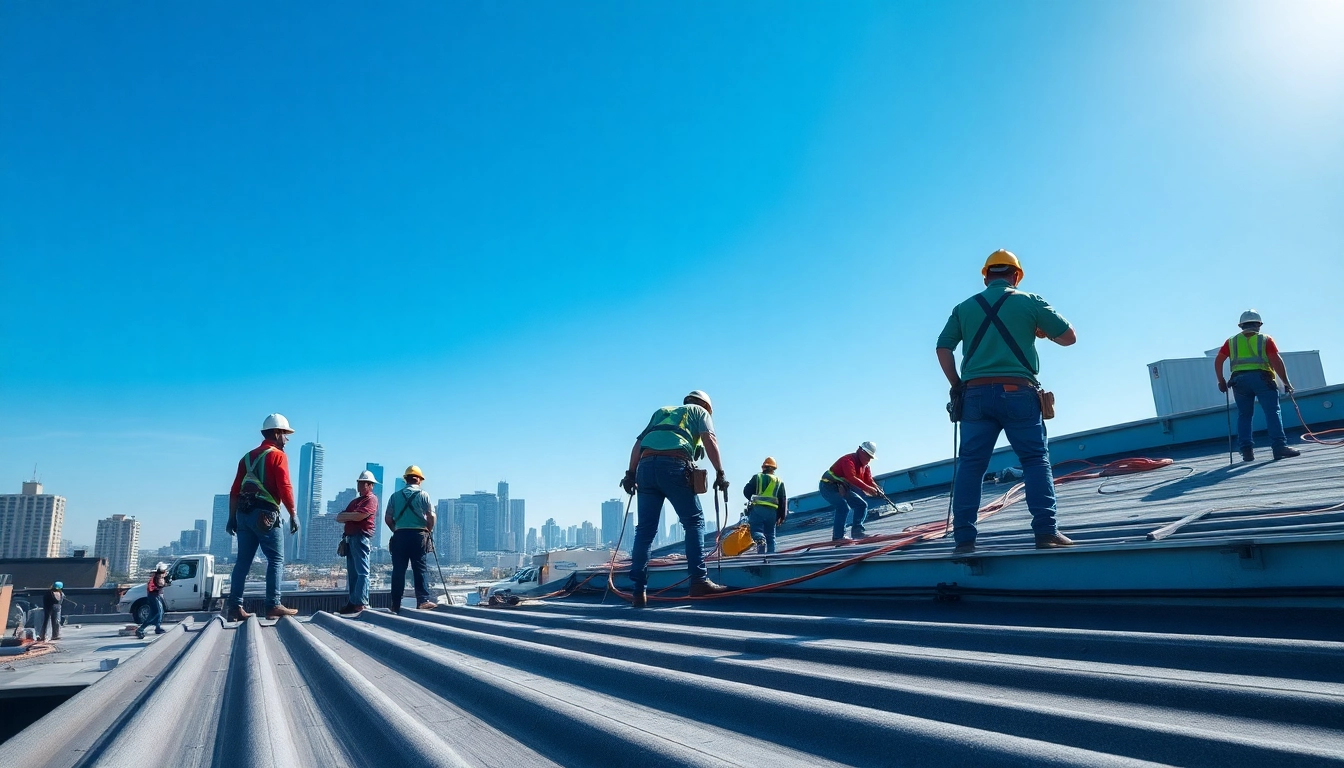
Safety should always be a priority in any roofing project. Understanding and adhering to safety standards not only protects workers but also ensures the safety of your employees and the public. Common safety practices include:
- Training: All workers should be adequately trained in fall protection and equipment handling.
- Personal Protective Equipment (PPE): Ensuring that workers wear appropriate PPE, such as helmets and harnesses, is crucial.
- Compliance with regulations: Roofing contractors must follow OSHA regulations and local safety standards to ensure a safe working environment.
Cost Considerations for Commercial Roofing Services
When planning for roofing services, understanding the financial implications is essential. The total cost can vary widely depending on materials, labor, and the size of the project.
Understanding Pricing Structures and Factors
Several factors can influence the cost of commercial roofing services, including:
- Material choice: Different materials come at varied price points, and choosing high-quality materials may mean a higher initial investment but provides greater longevity and efficiency.
- Labor costs: Skilled labor often comes at a premium, but investing in quality workmanship can save costs in repairs down the line.
- Size and complexity: Larger or more complex roofs will naturally require greater labor and material investment.
Budgeting for Routine Maintenance and Unexpected Repairs
Being proactive about budgeting for both routine maintenance and potential repairs can prevent financial strain. Consider these strategies:
- Create a maintenance plan: Allocate a budget for regular maintenance to reduce the chances of costly repairs.
- Emergency fund: Set aside a contingency fund for unexpected roofing emergencies, helping you respond quickly without financial stress.
Maximizing Value through Quality Materials
Investing in quality roofing materials can significantly enhance the overall value of your commercial property. High-quality materials can lead to:
- Longer lifespan: Quality roofs typically have longer life cycles, reducing long-term replacement costs.
- Insurance benefits: Some insurers provide better rates for properties using quality roofing materials, as they present a lower risk.
- Reduced energy costs: Energy-efficient roofs can lead to lower utility bills over time, providing an ongoing return on investment.
Finding the Right Commercial Roofing Partner
Partnering with the right commercial roofing contractor can make all the difference in achieving your roofing goals. The right partnership will provide not only quality work but also peace of mind.
Evaluating Contractor Experience and Reputation
Before hiring a contractor, assess their experience and reputation in the industry. Look for:
- Years in business: Contractors with a long-standing presence often have a proven track record.
- Customer reviews: Online testimonials and case studies provide insight into the contractor's quality of work.
- Certifications: Verify that the contractor holds necessary licenses and certifications required in your area.
Questions to Ask Potential Service Providers
When interviewing contractors, pose specific questions that address your roofing needs, such as:
- What types of commercial roofing systems do you specialize in?
- Can you provide references from past clients with similar projects?
- What warranties do you offer for your work and materials?
Building Long-term Relationships for Future Projects
Establishing a long-term partnership with a reliable roofing contractor can save both time and money in future projects. This relationship will allow for:
- Consistent quality: A familiar contractor understands your specific needs and can deliver quality work tailored to your expectations.
- Priority service: Long-term partners are often more responsive and can address issues more quickly.
- Reduced costs: The trust built over time can lead to better pricing and deals on future services.
In conclusion, understanding the intricacies of commercial roofing services is essential for business owners who want to ensure the longevity and reliability of their properties. From selecting the right materials to finding a trusted contractor, every decision plays a crucial role in the health of your building. Prioritizing quality commercial roofing is not just a cost but a valuable investment in the future of your business.