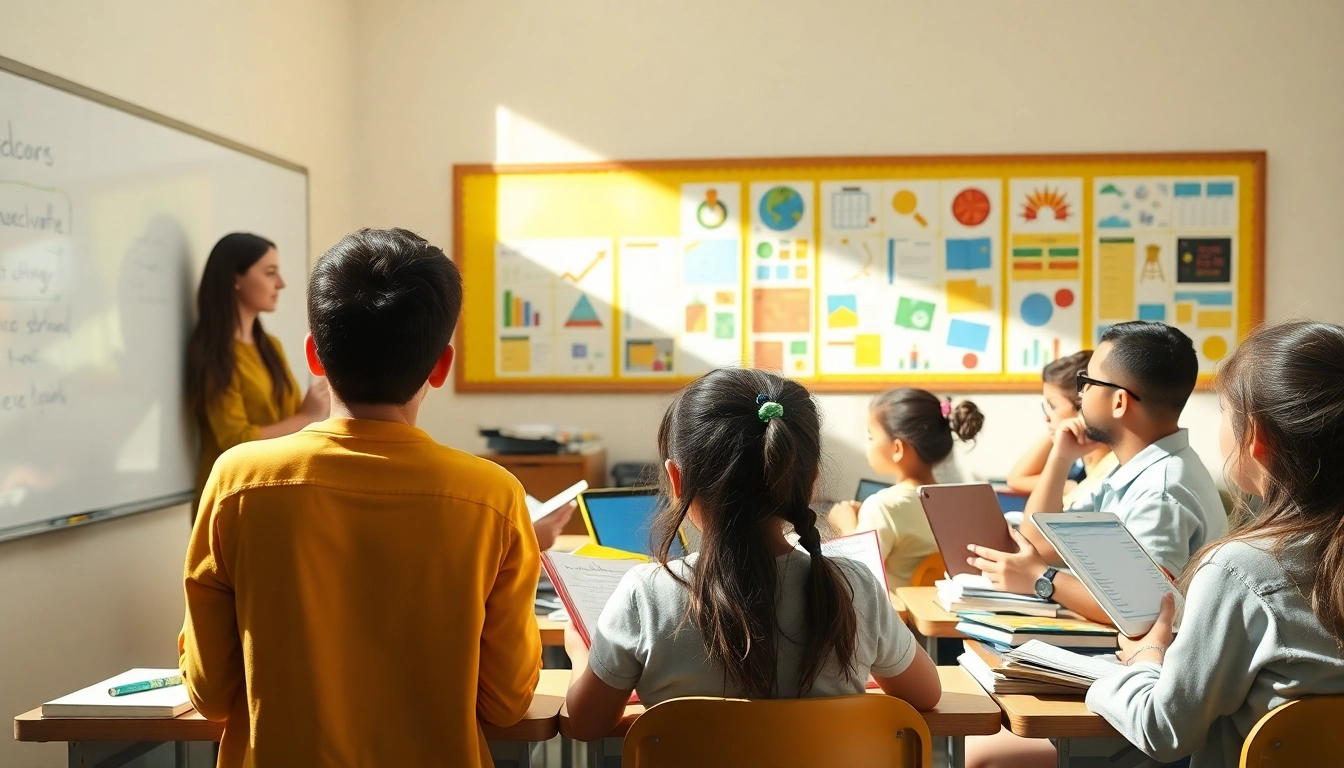
Understanding the Importance of Education
Education serves as the backbone of personal and societal development. It empowers individuals with knowledge, fosters critical thinking, and enables informed decision-making. Furthermore, quality education equips people with the necessary skills to adapt and thrive in an ever-changing global landscape. It plays a pivotal role not only in individual success but also in the progression of communities. As such, understanding the profound significance and multifaceted nature of Education is essential in today's society.
Defining Education and Its Objectives
Education is more than just the accumulation of facts; it is a holistic process geared toward the development of individuals and societies. At its core, education involves the transmission of knowledge, skills, values, and cultural norms through various forms and mediums. Its objectives can be distilled into three primary areas:
- Cognitive Development: Education enhances an individual's intellectual capacity, enabling them to think critically, solve problems, and make sound decisions based on logic and evidence.
- Emotional and Social Growth: Education also facilitates personal growth, fostering communication skills, empathy, and collaborative abilities that are essential in interpersonal relationships.
- Preparation for the Workforce: Another objective of education is to prepare individuals for the challenges and demands of the workforce, instilling necessary skills that enhance employability and career advancement.
The Role of Education in Society
The role of education transcends individual benefits; it acts as a crucial pillar supporting the entire fabric of society. Education promotes social cohesion, creating a sense of belonging and shared identity among community members. Furthermore, it nurtures active citizenship by encouraging individuals to participate in civic duties and governance.
Additionally, education enables economic growth by enhancing productivity and innovation. A well-educated workforce attracts investments and fosters entrepreneurship, thereby driving economic progress. Furthermore, access to education can significantly reduce social inequalities, providing marginalized communities with opportunities to improve their circumstances and break cycles of poverty.
Types of Education: Formal, Informal, and Non-formal
Education can be categorized into three main types—formal, informal, and non-formal—each contributing uniquely to learning experiences and outcomes:
- Formal Education: This structured educational system takes place in recognized institutions, such as schools and universities, where curriculums are designed to foster academic achievement and skill acquisition. Formal education culminates in recognized certifications and degrees.
- Informal Education: Informal education occurs outside traditional institutions, encompassing self-directed learning through personal experiences, community engagement, and familial interactions. This type of education is often unstructured but can provide valuable knowledge and life skills.
- Non-formal Education: Non-formal education refers to organized learning activities outside the formal system. Examples include adult education classes, vocational training, and workshops that focus on specific skills or knowledge areas. Non-formal education often targets specific populations, such as adults seeking to enhance their career skills.
Key Challenges in Education Today
Despite the obvious advantages, the education sector faces numerous challenges that hinder its effectiveness and accessibility. Identifying and addressing these challenges is crucial for fostering an equitable and high-quality educational landscape.
Access and Equity in Education
Access to quality education remains a significant challenge across many regions, with disparities often rooted in socioeconomic status, race, and geographic location. Students from disadvantaged backgrounds frequently face barriers such as inadequate resources, poorly trained educators, and unsafe learning environments.
Achieving equity in education involves providing all students with equal opportunities to succeed, regardless of their circumstances. This includes implementing inclusive practices, addressing structural inequities, and ensuring that marginalized groups have access to quality learning materials and skilled teachers.
Quality of Educational Resources
Quality education is not only about access; it also concerns the resources available to learners and educators. Many educational institutions struggle with outdated materials, insufficient funding, and limited technological tools, which can negatively impact the learning experience.
To enhance the quality of educational resources, schools and institutions must prioritize investing in updated technologies, comprehensive training for teachers, and diverse learning materials that cater to varied learning styles and needs. Collaborative partnerships with local businesses and community organizations can also foster resource enhancement.
Impact of Technology on Education
Technology has reshaped the educational landscape significantly, providing innovative tools for facilitating learning. However, this rapid technological advancement has also led to new challenges. Educators must navigate the complexities of integrating digital tools while ensuring that all students have equal access to technology.
To maximize the benefits of technology in education, it is essential to provide adequate training for educators, develop high-quality digital resources, and implement policies that promote digital equity. By embracing technology thoughtfully, educational institutions can create engaging and effective learning environments.
Best Practices for Effective Learning Environments
Creating a conducive learning environment involves intentional efforts to cultivate positive experiences for students, where they feel safe, respected, and motivated to learn. Effective practices can propel educational success and foster a culture of lifelong learning.
Creating an Inclusive Classroom
An inclusive classroom caters to diverse student needs, ensuring that everyone feels valued and included regardless of their background, abilities, or learning styles. To achieve this, teachers can incorporate differentiated instruction, allowing students to demonstrate their understanding through various methods.
Promoting diversity and multicultural awareness within the curriculum also supports inclusivity, as students learn to appreciate different perspectives and experiences. Additionally, fostering a classroom environment where open dialogue is encouraged can enhance respect and understanding among peers.
Innovative Teaching Strategies
Employing innovative teaching strategies fosters engagement and enhances learning outcomes. Approaches such as project-based learning, flipped classrooms, and inquiry-based learning encourage active participation and cultivate critical thinking skills.
Utilizing technology as a supplement to traditional teaching methods can also invigorate lesson plans. For example, gamified learning experiences can increase motivation, while virtual reality can create immersive educational experiences. Involving students in hands-on activities further deepens their understanding.
Continuous Assessment and Feedback Mechanisms
Continuous assessment is vital to understanding student progress and adjusting instruction to meet their needs. Implementing formative assessments, such as quizzes, class discussions, and peer evaluations, provides immediate feedback for both students and educators.
Providing constructive feedback on assessments helps students identify areas for improvement and reinforces their learning journey. Regularly adapting teaching methods based on assessment results can further enhance the educational experience and boost student outcomes.
The Future of Education: Trends and Predictions
As society evolves, so too does the educational landscape. Understanding emerging trends can help educators, policymakers, and stakeholders to anticipate changes and prepare for the future of education.
Embracing Digital Learning Tools
Digital learning tools, from educational apps to online courses, are becoming increasingly integrated into traditional education systems. As the demand for flexible learning options rises, it is essential to embrace these tools to create blended learning environments.
Future learning environments will likely feature increased personalization, with adaptive learning technologies tailoring course materials to individual student needs. Leveraging artificial intelligence and big data can further enhance educational insights, helping educators make informed decisions about instruction.
Global Perspectives on Education
Education is a vital component in global development agendas, and sharing successful practices from around the world can provide valuable insights. Countries are increasingly looking to international collaborations to address common challenges and enhance educational quality.
By exchanging knowledge and strategies, nations can implement best practices in curriculum design, teacher training, and educational policy. This collaborative approach fosters mutual growth and helps tackle pressing global educational issues.
Preparing for Workforce Needs
As the job market continues to evolve due to technological advancements and globalization, preparing students for the future workforce becomes paramount. Education systems must align their curricula with emerging skills and competencies that employers seek.
This includes emphasizing critical thinking, communication, and adaptability, as well as incorporating vocational training and career readiness programs into the education framework. Partnerships with industries can facilitate internships and apprenticeships, creating a seamless transition from education to employment.
Measuring Success in Education
To ensure that educational strategies are effective, it is vital to measure success through various performance metrics. These metrics not only assess individual student learning but also evaluate the overall effectiveness of education systems.
Key Performance Indicators for Education Systems
Key performance indicators (KPIs) serve as valuable tools for evaluating educational efficacy. Some essential KPIs include:
- Graduation Rates: High graduation rates often reflect the effectiveness of educational strategies and the overall satisfaction of students.
- Standardized Test Scores: Monitoring test scores can provide insights into student learning and highlight areas needing improvement.
- Student Engagement: Measuring student participation levels, attendance, and extracurricular involvement can reveal the success of engagement efforts.
Case Studies of Successful Educational Initiatives
Studying successful educational initiatives provides invaluable insights into effective practices and strategies. For instance, case studies demonstrating how community involvement, family engagement, and innovative teaching methods led to improved student outcomes can inform future policy and practice.
Such initiatives can vary widely, from localized programs tailored to specific community needs to larger national movements aiming for systemic reform. Examining both qualitative and quantitative outcomes can help distill key takeaways applicable to other educational contexts.
Evaluating the Impact of Education on Communities
Ultimately, the impact of education extends beyond the classroom, influencing the social, economic, and cultural vibrancy of communities. Evaluating this impact requires assessing changes in community engagement, economic growth, and social cohesion linked to educational interventions.
Longitudinal studies and community assessments can provide essential data to understand how educational investments contribute to improved quality of life. By measuring these factors, stakeholders can justify continued support and resources for effective educational initiatives.