
Mastering Sports Broadcasting: Techniques and Innovations for Engaging Audiences
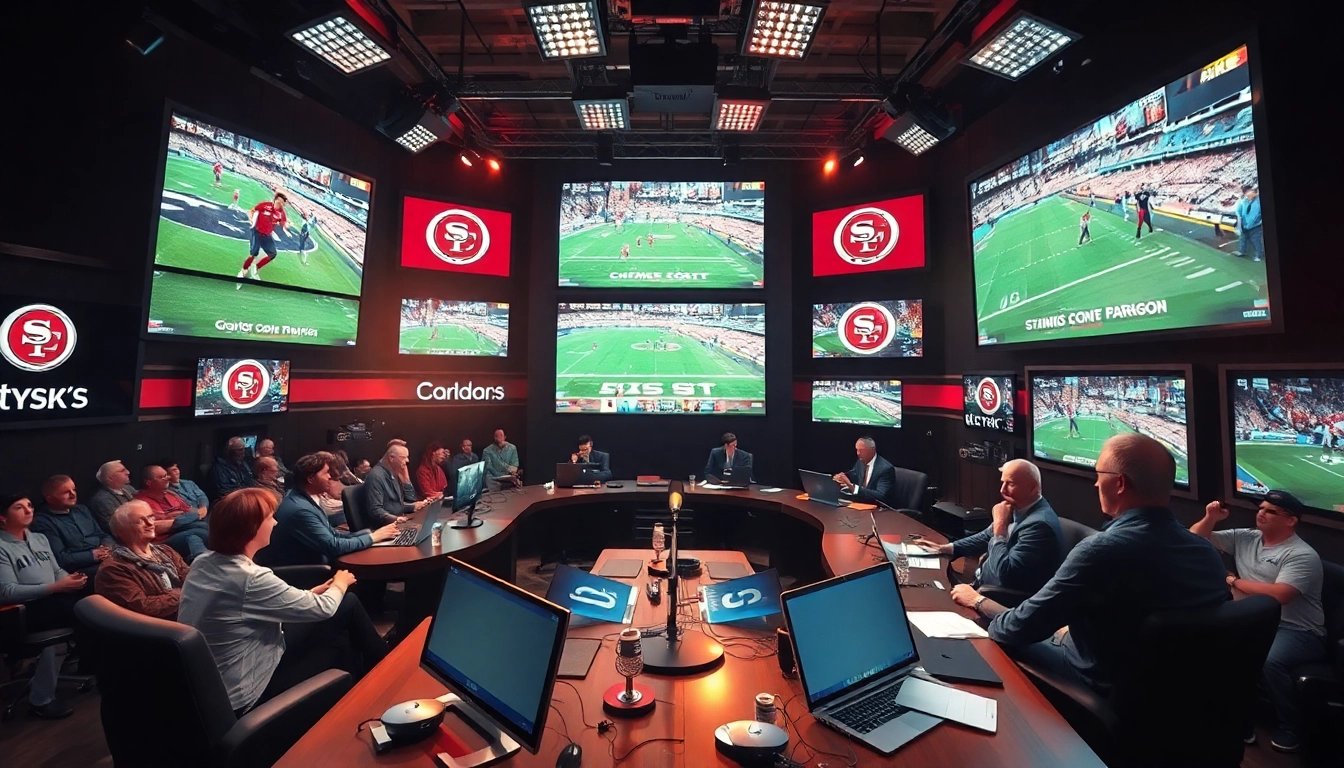
Understanding the Basics of Sports Broadcasting
What Is Sports Broadcasting?
Sports broadcasting is the dissemination of sports-related content through various multimedia platforms, including television, radio, and the internet. This form of communication allows fans to access live games, expert commentary, interviews, and highlights. Sports broadcasting plays a crucial role in enhancing the viewer’s experience and broadening the audience’s engagement by showcasing sporting events to a global audience. By understanding the mechanisms behind Sports Broadcasting, both seasoned professionals and emerging talents can create captivating broadcasts that resonate with fans.
The Evolution of Sports Broadcasting
The journey of sports broadcasting has transformed significantly over the years. Initially, sporting events were conveyed through print media and radio transmissions. The advent of television revolutionized how audiences consumed sports, leading to a surge in popularity and engagement. In recent years, the rise of digital platforms and streaming services has further diversified how sports content is delivered. This evolution has not only increased the accessibility of sports but has also enhanced the quality and intricacy of broadcasts.
Key Components of a Broadcast
A successful sports broadcast relies on several key components, each contributing to an engaging experience:
- Commentary: Skilled commentators provide expert insights, evoke emotions, and enhance the narrative of the game.
- Production Quality: High-definition visuals, strategic camera angles, and superior audio quality create an immersive experience.
- Engaging Storylines: Building narratives around teams, players, and rivalries enriches the viewing experience.
- Audience Interaction: Live polling, social media integration, and viewer feedback can create a two-way communication channel.
Techniques to Enhance Sports Broadcasting
Effective Communication Skills
Effective communication is the bedrock of successful sports broadcasting. Broadcasters must possess the ability to convey technical information in an engaging manner. This includes vocal clarity, variation in tone, and the ability to articulate thoughts succinctly. Active listening skills are also paramount to respond adequately to the dynamics of live broadcasting. Recent studies show that broadcasters who engage authentically with their audience see a marked increase in viewer retention rates.
Engaging the Audience
Engagement in sports broadcasting can be augmented through various methods:
- Interactive Content: Utilizing apps or sites that allow fans to vote on plays or participate in quizzes during a game can elevate viewer involvement.
- Viewer-Driven Narratives: Tailoring discussions based on real-time social media trends can help touch upon topics that resonate with the audience.
- Behind-the-Scenes Access: Providing peeks into player preparation or locker room discussions can create a more personal connection with fans.
Utilizing Technology in Broadcasting
The integration of technology has dramatically revolutionized sports broadcasting. Advanced broadcasting equipment such as drones for aerial shots, robots for camera work, and augmented reality aids in producing a more captivating spectacle. Additionally, the use of real-time data analytics informs commentary, enriching the audience’s understanding. Embracing these technologies allows broadcasters to stay ahead in an increasingly competitive landscape.
Innovations Shaping the Future of Sports Broadcasting
Virtual Reality and Augmented Reality
Virtual reality (VR) and augmented reality (AR) are at the forefront of innovative broadcasting techniques. VR immerses viewers in 360-degree environments, allowing them to experience games as if they were right there in the stadium. Conversely, AR enhances live telecasts by overlaying digital information on physical spaces, providing real-time statistics or replays during broadcasts. This significant leap in technology not only captivates viewers but also potentially increases the value of advertising in sports programming.
Data Analytics in Sports Broadcasting
Data analytics is revolutionizing sports broadcasting by providing deeper insights into player performances, game strategies, and viewer habits. Broadcasters can leverage predictive analytics to anticipate viewer preferences, enabling personalized content delivery. Furthermore, teams can analyze performance metrics to influence real-time commentary, making broadcasts more informative and engaging.
Impact of Streaming Services
Streaming services have disrupted traditional sports broadcasting paradigms by granting viewers unprecedented control over their viewing experiences. Companies increasingly invest in exclusive streaming rights for major events, allowing fans to watch their favorite sports on-demand. This flexibility caters to the evolving lifestyles of audiences, particularly the younger demographic that prefers digital consumption over cable television, making it essential for broadcasters to adapt their strategies accordingly.
Challenges in Sports Broadcasting
Dealing with Live Audiences
Broadcasting live sports events presents unique challenges. The unpredictability of live broadcasts necessitates quick thinking and adaptability from broadcasters. Unexpected incidents, such as injuries or equipment failures, can disrupt transmissions, requiring seamless handling to maintain audience engagement. Moreover, real-time social media reactions can add pressure, as broadcasters must balance professional commentary with audience interactions. Preparing for contingencies and embracing flexibility are essential for success in live sports broadcasting.
Navigating Legal Issues
Legal challenges in sports broadcasting often involve copyright laws, broadcasting rights, and contractual agreements with athletes and teams. Broadcasters must ensure compliance with regulations to avoid potential legal issues that could derail broadcasts. Additionally, safeguarding against unauthorized streaming of content is vital to preserving the integrity and profitability of broadcasting contracts. Understanding legal frameworks and fostering relationships with legal counsel can mitigate risks associated with these challenges.
Maintaining Audience Engagement
In an environment saturated with content, maintaining audience engagement is a persistent challenge for sports broadcasters. As viewers have myriad options, capture their attention presents an ongoing struggle. Implementing strategies like themed programming, fan engagement initiatives, and consistent storytelling can help forge a connection with audiences. Moreover, feedback mechanisms allow broadcasters to assess viewer satisfaction and make necessary adjustments to content strategies.
Measuring Success in Sports Broadcasting
Key Performance Indicators
Measuring success in sports broadcasting hinges on several key performance indicators (KPIs). These include viewership ratings, audience retention rates, and engagement metrics such as social media interactions. Understanding these KPIs allows broadcasters to gauge their performance and adjust strategies accordingly to optimize viewer experiences. Setting benchmarks for each KPI fosters accountability and enhances broadcast quality.
Feedback and Viewership Analytics
Gathering feedback from viewers can provide valuable insights into their preferences and perceptions. Utilizing surveys, social media polls, and direct audience interactions can lead to improvements in future broadcasts. Additionally, employing analytics software helps in monitoring viewership patterns and behavior, allowing broadcasters to tailor content to better serve their audience’s demands and interests.
Future Directions and Growth Opportunities
The future of sports broadcasting will likely be shaped by innovations in technology, varied content delivery methods, and deeper audience engagement strategies. As digital landscapes evolve, opportunities exist for broadcasters to harness new platforms and develop targeted content for niche audiences. Collaborations with tech developers, improving audience analytics, and leveraging social media trends can secure a competitive edge in the thriving sports industry.
Frequently Asked Questions
What skills are essential for sports broadcasters?
Essential skills include effective communication, strong analytical abilities, and a deep understanding of the sports being covered. Adaptability and technology proficiency are crucial in today’s broadcasting landscape.
How can technology improve sports broadcasts?
Technology enhances broadcasts through better visuals, data analytics, and interactive content, providing an immersive experience that keeps viewers engaged and informed throughout the event.
What are the risks associated with live sports broadcasting?
Live broadcasting risks include technical failures, unexpected incidents during events, and managing real-time audience feedback. Preparing for contingencies is vital to navigate these challenges effectively.
How is audience engagement measured?
Audience engagement is measured using metrics like viewership ratings, social media interactions, audience retention rates, and viewer feedback, providing key insights into broadcast performance.
What is the future of sports broadcasting?
The future lies in technological advancements, personalized content delivery, and enhanced viewer interactions, paving the way for a richer and more engaging sports broadcasting experience.