
this page: What NOT to Do in Youth Soccer Training (Learn from Coaches)
Introduction to Youth Soccer Training Best Practices
Youth soccer training is a vital component in the development of young athletes, both on and off the field. Properly structured training sessions not only enhance players’ skills but also instill critical values such as teamwork, discipline, and resilience. In an age where youth sports are often overshadowed by intense competition and parental expectations, it becomes imperative to create an environment where young players can thrive. Understanding effective practices in youth soccer coaching is essential, as it lays the groundwork for future success not only in sports but in life. Coaches, parents, and stakeholders must be aligned in their approach to ensure that training focuses on skill development, personal growth, and enjoyment of the game. When exploring options, this page provides comprehensive insights into training methodologies and best practices tailored for youth players.
Understanding the Importance of Structured Practice
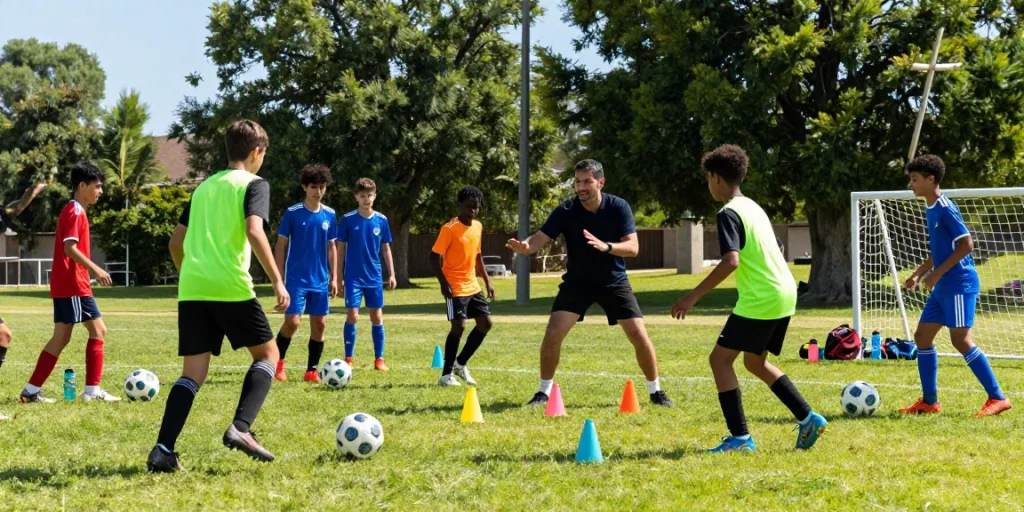
Structured practices are crucial in youth soccer as they provide a framework for consistent skill development. A well-organized training routine enables coaches to introduce new techniques and refine existing ones systematically. Additionally, structured sessions help maintain players’ focus and engagement, reducing the likelihood of distractions which can detract from the learning experience. Coaches should incorporate a variety of drills that target different aspects of the game, such as dribbling, passing, and shooting, while also allowing time for scrimmages to apply these skills in a game-like environment.
Common Mistakes Coaches Make
Even experienced coaches can fall into common traps that hinder player development. One prevalent mistake is overemphasizing winning over skill development. While competition is an essential aspect of sports, focusing solely on results can lead to a negative experience for young athletes. Another mistake is neglecting the importance of individual skill assessments. Without understanding each player’s strengths and weaknesses, coaches may fail to address specific needs, ultimately hindering progress. Additionally, failing to communicate effectively with players can lead to confusion and a lack of motivation. Therefore, it’s crucial for coaches to adopt an empathetic approach, fostering an environment where feedback is constructive and encouraging.
This Page Overview: Key Concepts to Remember
As coaches reflect on best practices for youth soccer training, it is important to remember the significance of balanced training sessions that incorporate skill development, tactical understanding, and psychological support. Emphasizing growth over competition, ensuring effective communication, and conducting regular assessments are essential for fostering a positive training environment. Coaches should also remain adaptable, willing to evolve their strategies based on the dynamics of their teams and individual player needs.
Fundamentals of Soccer Skills Development
Essential Drills for Skill Improvement
Implementing essential drills is a cornerstone of soccer skills development. Coaches should prioritize drills that facilitate a holistic understanding of the game. Examples include cone dribbling exercises that promote agility, partner passing drills that enhance accuracy, and shooting drills that focus on technique. Moreover, incorporating game simulation drills, such as small-sided games, allows players to apply their skills in realistic scenarios, fostering game intelligence and decision-making abilities.
Incorporating Fun into Skill Sessions
While improving skills is crucial, it is equally important to make training enjoyable for young athletes. Engaging players through fun activities can enhance their love for the game. Techniques such as themed practices, incorporating games that blend skill development with enjoyment, or using rewards for accomplishments can significantly increase motivation. Coaches should be creative, as an element of fun can lead to better retention of skills and a more positive overall experience for players.
Assessing Player Skill Levels Effectively
Effective player assessment is paramount for tailored training. Coaches should utilize various methods such as skill drills, informal matches, and peer feedback to gauge each player’s strengths and areas for improvement. Continuous assessments prevent stagnation and allow coaches to adapt their strategies to meet the evolving needs of their players. Regular one-on-one discussions can also provide valuable insights into players’ experiences and their perceptions of their development, fostering a cooperative atmosphere that promotes growth.
Team Dynamics and Communication
The Impact of Team Spirit on Performance
Team spirit plays a critical role in the overall performance of a youth soccer team. A cohesive unit tends to perform better on the field, as players understand each other’s strengths and weaknesses. Activities aimed at team building — such as trust exercises or group challenges — can strengthen relationships and improve the social dynamics of the team. Coaches should always emphasize the value of respect, support, and shared goals to cultivate a strong team spirit that translates into improved performance.
Effective Communication Techniques for Coaches
Effective communication is vital for any successful coaching strategy. Coaches should maintain open lines of communication with their players, utilizing both verbal and non-verbal techniques. Regular feedback during training can guide players’ development while fostering an inclusive environment where players feel valued. Additionally, employing positive reinforcement can encourage young athletes, boosting their confidence and motivation. Clear instructions and discussions about tactical changes should also be conveyed simply and effectively to ensure comprehension among all players.
Encouraging Positive Relationships Among Players
Fostering positive relationships among players is instrumental in creating a supportive training environment. Coaches can encourage collaboration through group drills that require teamwork, promoting camaraderie on and off the field. Facilitating social interactions during team functions or informal gatherings can also help build trust among athletes. As players learn to support and rely on each other, they develop resilience, adaptability, and essential social skills that extend beyond soccer.
Common Challenges in Youth Soccer Training
Identifying and Addressing Player Burnout
Player burnout is a significant concern in youth sports, often resulting from excessive pressure to perform combined with rigorous training schedules. Coaches must remain vigilant in recognizing the signs of burnout, such as a decline in enthusiasm or performance. Implementing periodic breaks and encouraging players to explore multiple sports can help mitigate burnout. Coaches should also prioritize open conversations about the expectations players face, ensuring they feel comfortable discussing their feelings and needs.
Managing Parental Expectations and Involvement
Parental involvement can greatly impact a young athlete’s experience, both positively and negatively. Coaches should engage parents by providing clear communication regarding their role in supporting players’ development. Educating parents about realistic expectations and setting boundaries on their involvement during practices and games can help create a more balanced environment. Regular meetings with parents to discuss team goals and values can foster a collaborative atmosphere, ultimately leading to a more enriching experience for young athletes.
Dealing with Team Conflicts Constructively
Conflicts are inevitable in team sports, particularly among young athletes navigating social dynamics. Coaches must address conflicts swiftly and constructively. Implementing conflict resolution strategies, such as mediation sessions to encourage open dialogue, can lead to effective solutions. Teaching players how to communicate their feelings respectfully and resolve disagreements builds essential life skills. A supportive coaching presence is key to guiding players through conflicts and promoting a culture of respect and understanding.
Future Trends in Youth Soccer Training
The Rise of Technology in Coaching
As we move toward 2026 and beyond, technology’s role in youth soccer coaching is expected to grow significantly. Tools such as video analysis software and apps for tracking player performance can provide coaches with valuable insights, facilitating more tailored training approaches. Additionally, wearable technology can assist in monitoring players’ physical data, helping coaches make informed decisions regarding training intensity and recovery protocols. Embracing these innovations can enhance player development and overall coaching effectiveness.
Emerging Training Techniques for 2026 and Beyond
The landscape of youth soccer training is evolving, with new methodologies emerging to cater to the needs of young athletes. Concepts such as game-based learning, where drills are designed to replicate game conditions, are gaining traction. These techniques emphasize functional skills and decision-making under pressure, ultimately preparing players for real-game scenarios. Furthermore, incorporating mental training and mindfulness practices into sessions can improve players’ focus and resilience, prepping them for the psychological demands of competition.
What the Future Holds for Young Athletes
Looking ahead, the future for young athletes in soccer is promising. With increased emphasis on holistic development, many programs are beginning to prioritize not just physical skills, but also mental and emotional well-being. As the sports community continues to evolve, fostering environments that support growth, health, and enjoyment will be pivotal in shaping the next generation of soccer players.
What Resources Should Coaches Use?
Coaches have a plethora of resources at their disposal to enhance their training methodologies. Books, online courses, and workshops hosted by soccer organizations provide valuable insights into best practices. Additionally, engaging with online soccer communities can facilitate the exchange of ideas and experiences among coaches. Webinars focusing on specific training techniques and player development strategies also serve as excellent resources for continuous learning and improvement.
How Can Coaches Track Player Progress?
Tracking player progress is essential for assessing development and tailoring training to meet individual needs. Coaches should implement regular assessments, including skill evaluations, performance statistics, and player feedback surveys. By maintaining detailed records of each player’s progress, coaches can identify trends, recognize areas needing improvement, and celebrate accomplishments. This systematic approach not only keeps players motivated but also helps coaches refine their strategies for maximum effectiveness.